How to Compare Rochester’s Four Quadrants When Buying a Home
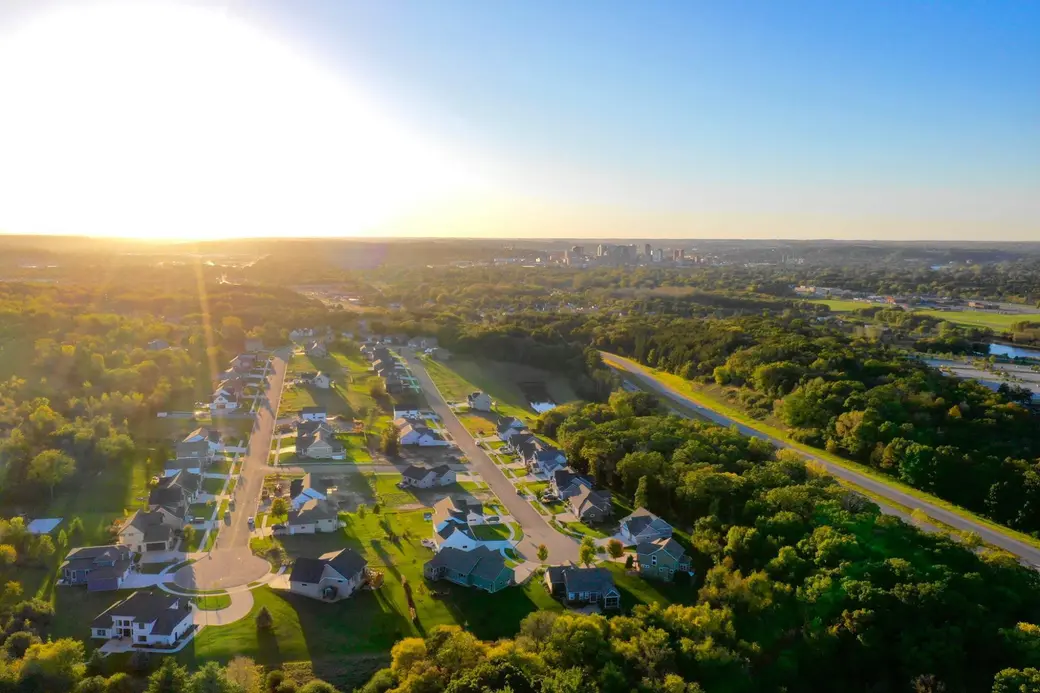
Rochester addresses are commonly divided into four quadrants: northwest, northeast, southwest and southeast.
Buyers sometimes ask which quadrant is “best,” but there is no one answer that fits every household. Each quadrant contains different developments, home ages, price points and property types.
The better question is:
Which available home and location best support my budget, commute, routines and property needs?
Begin With Your Daily Destinations
Write down the places you expect to visit regularly, such as:
- Workplace
- Childcare
- Medical appointments
- Family
- Shopping
- Fitness
- Parks or trails
- Community activities
- Highway routes
Then compare actual drive times from specific properties.
A home’s quadrant alone does not tell you how convenient the location will be. Road access, construction, work hours and the exact property location all matter.
Compare the Available Housing
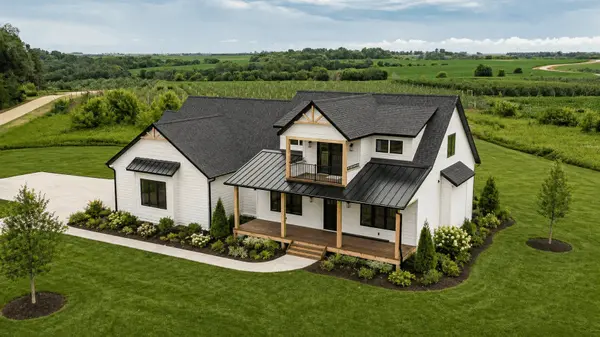
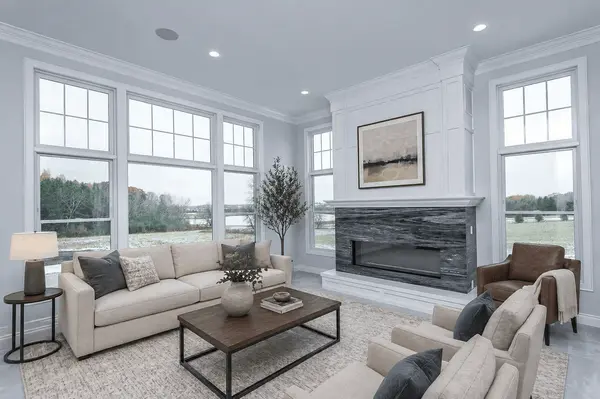
Each quadrant contains a mixture of housing, but the available options may differ from one neighborhood or development to another.
Buyers may encounter:
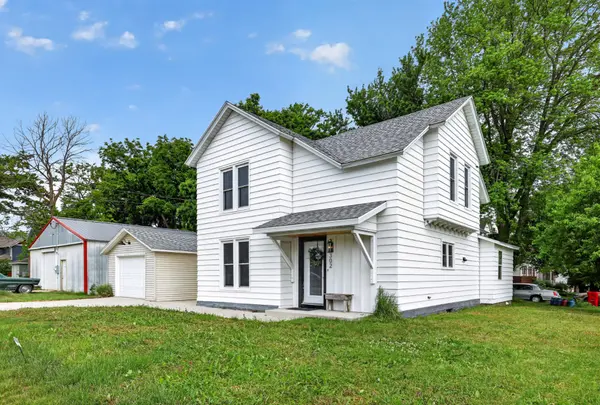
- Older established homes
- Mid-century homes
- Traditional suburban developments
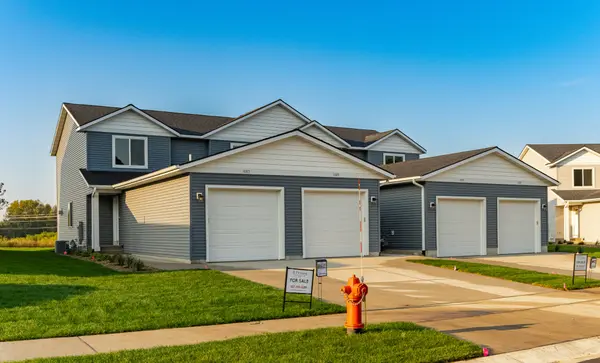
- New-construction neighborhoods
- Townhomes
- Patio homes
- One-level homes
- Luxury properties
- Larger lots
- Smaller urban lots
Search by the property features you need rather than assuming an entire quadrant has only one type of housing.
Consider Home Age
The age of the home can affect:
- Layout
- Storage
- Garage size
- Window design
- Mechanical systems
- Energy efficiency
- Exterior materials
- Expected repairs
An established home may offer mature landscaping, a distinctive design or a location closer to existing services.
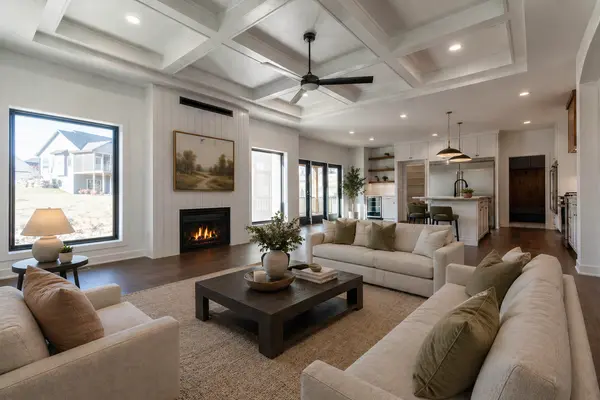
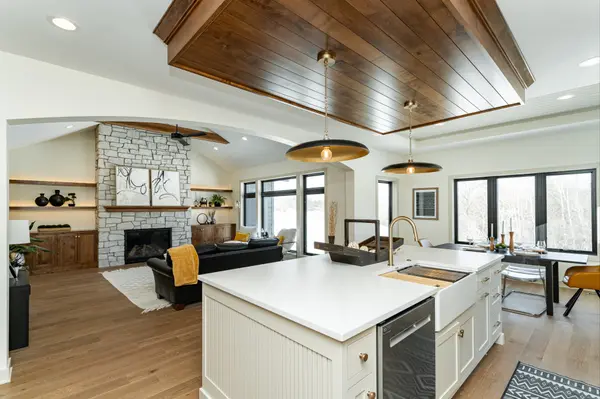
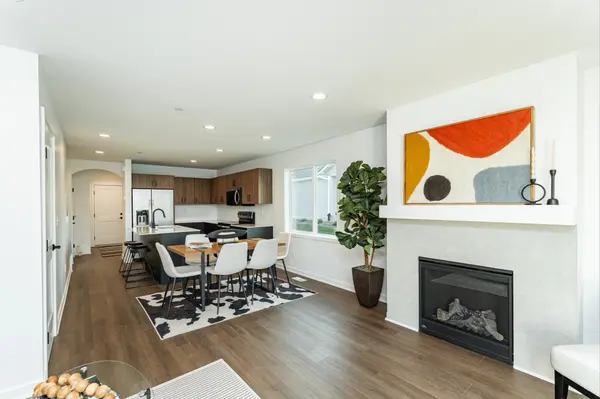
A newer home may offer a more open layout, modern systems, larger closets and fewer immediate projects.
Neither option is inherently better.
Compare New-Construction Availability
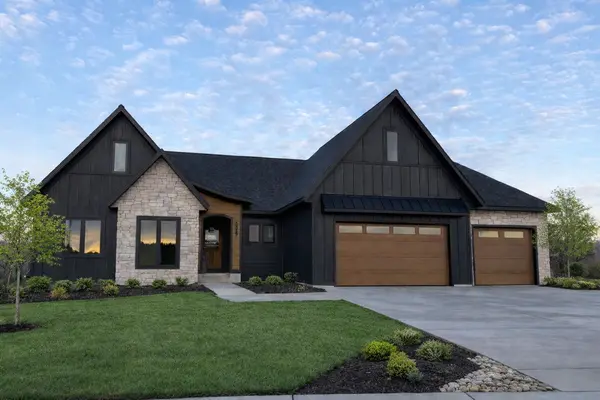
New construction may be concentrated in particular developments and growth areas at any given time.
When comparing new developments, look at:
- Available builders
- Lot sizes
- Floor-plan options
- Home prices
- HOA dues
- Development phases
- Future roads
- Nearby planned construction
- Completion timelines
- Included features
Rochester publishes planning, zoning and proposed-development information that buyers can use when researching how an area may change.
Plans can change, but reviewing official information is more useful than assuming open land will remain open.
Think About Maintenance
A home’s age, lot and ownership structure influence maintenance more than the quadrant name.
Compare:
- Lawn size
- Snow removal
- Exterior materials
- Mature trees
- Driveway length
- Retaining walls
- HOA responsibilities
- Roof and mechanical age
- Upcoming projects
A larger lot may provide space and privacy but require more work. A townhome may provide less exterior responsibility but include HOA fees and rules.
Research What Matters to You
Real estate professionals must comply with fair-housing laws and should not steer buyers toward or away from areas based on protected characteristics. The federal Fair Housing Act protects people from discrimination in housing-related activities.
Your agent can provide objective property information and direct you to third-party resources.
Buyers should personally research matters such as:
- School information
- Transportation
- Crime data
- Municipal plans
- Parks and trails
- Public services
- Taxes
- Commute routes
Evaluate these factors according to your own needs.
Do Not Choose a Home From a Map Alone
A map cannot show:
- Traffic noise
- Grade
- Views
- Neighboring homes
- Street parking
- Natural light
- Room flow
- Property condition
- How the area feels during your normal routine
Visit at different times when possible and drive the routes you expect to use.
Questions to Ask About Any Rochester Property
- How long is my actual commute?
- Does the layout fit my routines?
- What maintenance will the home require?
- What is the total monthly cost?
- Are there HOA dues?
- What major systems may need replacement?
- What can be built nearby?
- Is the lot usable for my needs?
- Does the garage provide enough space?
- How does this compare with other homes in my budget?
A great home is not great because of the letters at the end of its address. It is great because the property, price and location work for your life.
About the author: Niki Fleming is a REALTOR® with Engel & Völkers Rochester. She provides objective, buyer-focused guidance throughout all four Rochester quadrants and surrounding Southeast Minnesota communities.
Niki Fleming, REALTOR®
Engel & Völkers Rochester
507-250-1831
[email protected]
nikifleming.evrealestate.com
Categories
Recent Posts