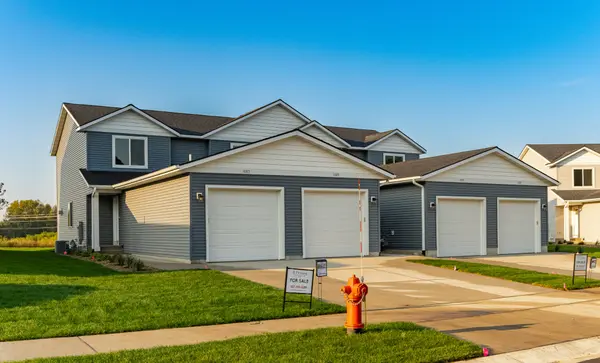
Rochester, MN Townhomes: What Buyers Should Know About HOA Living
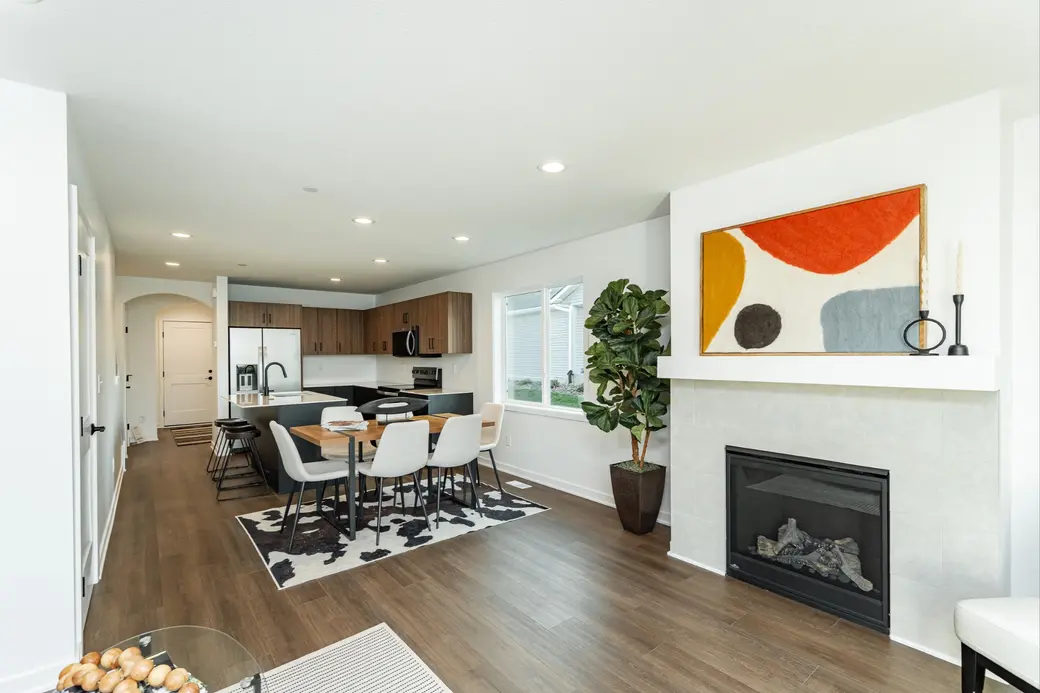
Townhomes can offer homeownership with fewer exterior maintenance responsibilities, but buyers should understand exactly what the homeowners association covers.
In Minnesota, many townhome, condominium and planned communities are organized as common interest communities, often called CICs. Membership may include maintenance benefits, but it also creates financial obligations and property-use requirements.
The right townhome purchase requires evaluating both the home and the association.
What Does an HOA Fee Cover?
Coverage varies from one community to another.
HOA dues may include some combination of:
- Lawn care
- Snow removal
- Trash service
- Exterior building maintenance
- Roof replacement
- Siding
- Common-area landscaping
- Private roads
- Community insurance
- Professional management
- Amenities
- Reserve contributions
Never assume a particular service is included simply because the property is a townhome.
Review the governing documents and current budget.
HOA Dues May Be Separate From Your Mortgage
HOA dues are generally paid directly to the association and may not be included in the monthly payment sent to the mortgage servicer.
When deciding what is affordable, include:
- Principal and interest
- Property taxes
- Homeowners insurance
- Mortgage insurance where applicable
- HOA dues
- Utilities
- Interior maintenance
- Services not covered by the HOA
Compare the fee with the expenses and work it may replace. Paying an HOA fee is different from paying personally for lawn care, snow removal, exterior maintenance and future roof replacement.
What Is the Owner Responsible For?
The owner may remain responsible for:
- Interior maintenance
- Appliances
- Heating and cooling systems
- Plumbing within the unit
- Windows or doors
- Deck or patio
- Insurance deductibles
- Damage caused by the owner
- Some exterior components
Responsibility depends on the declaration, bylaws and other governing documents.
Ask for written clarification when the boundary between owner and association responsibility is unclear.
Review the Association’s Finances
A low monthly fee is not automatically a sign of a financially strong association.
Review:
- Annual budget
- Reserve balance
- Reserve study, when available
- Recent financial statements
- Delinquencies
- Insurance coverage
- Pending projects
- Recent or proposed assessments
- Meeting minutes
- Litigation
- Planned fee increases
Reserve funds are intended to help pay for future major expenses. When reserves are insufficient, owners may face special assessments or significant dues increases.
What Is a Special Assessment?
A special assessment is an additional charge beyond regular dues.
It may be used for:
- Roof replacement
- Siding
- Road repairs
- Drainage work
- Insurance deductibles
- Unexpected repairs
- Large capital projects
Ask whether assessments have recently been charged, approved or discussed.
An assessment that has not yet been formally approved may still appear in meeting minutes or planning discussions.
Review the Rules
HOA rules may address:
- Pets
- Rentals
- Parking
- Exterior decorations
- Fences
- Satellite dishes
- Grills
- Landscaping
- Business use
- Noise
- Alterations
- Vehicle storage
Make sure the rules fit the way you plan to use the property.
Do not wait until after closing to discover that a desired fence, rental plan or exterior change is restricted.
Minnesota Disclosure Documents
Minnesota law generally provides purchasers of units in common interest communities with disclosure documents containing important information about the association and the purchaser’s cancellation rights. The exact document and process may depend on whether the unit is new or being resold.
Minnesota law may provide a purchaser with a ten-day cancellation period after receiving required documents in certain circumstances. Deadlines and waiver rules are specific, so buyers should consult their agent and an attorney when legal interpretation is needed.
New-Construction Townhomes
When buying a new townhome, ask:
- What is complete?
- What future phases are planned?
- Who controls the association?
- When will control transition to owners?
- Are dues expected to change as the community develops?
- Which exterior items are included?
- Is the lower level finished?
- What landscaping remains?
- Are there lot or end-unit premiums?
- What warranties apply?
A new association may have limited operating history, so review the proposed budget and development disclosures closely.
Is a Townhome Right for You?
A townhome may be a good fit when you value:
- Lower exterior maintenance
- Predictable services
- Newer construction
- One-level options
- Community standards
- A smaller yard
- The ability to travel without managing every exterior task
It may be less appealing if you want extensive control over the exterior, significant yard space, unrestricted parking or freedom to modify the property without association approval.
The best choice depends on your priorities—not whether townhomes are generally “good” or “bad.”
About the author: Niki Fleming is a REALTOR® with Engel & Völkers Rochester. She helps buyers compare Rochester townhomes, HOA-maintained communities, new construction and single-family homes based on their budget and preferred level of maintenance.
Niki Fleming, REALTOR®
Engel & Völkers Rochester
507-250-1831
[email protected]
nikifleming.evrealestate.com
Categories
Recent Posts