How to Know When It Is Time to Buy Your Next Home in Rochester, MN
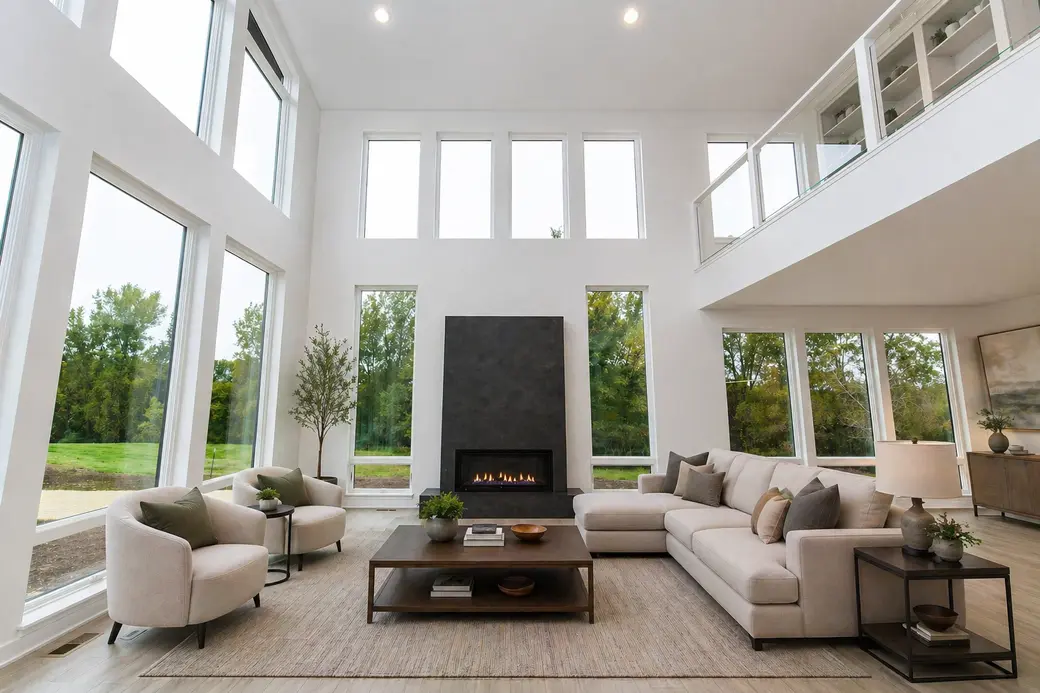
A home can be beautiful, meaningful and full of memories while no longer fitting the way you live.
The need for a different home does not always arrive as one major event. It may begin with small frustrations: insufficient storage, stairs that have become inconvenient, an unworkable kitchen, limited garage space or a location that no longer supports your routine.
Recognizing those issues does not mean you have to move immediately. It may simply mean that it is time to explore your options.
Signs Your Current Home May No Longer Fit
Your home may deserve a second look when:
- You need more or fewer bedrooms
- You regularly work from home without a dedicated space
- Storage has become an ongoing problem
- The layout makes daily routines difficult
- You need one-level living
- The yard requires more work than you want
- Your garage no longer fits your vehicles or storage needs
- You are maintaining rooms you rarely use
- Your commute or regular activities have changed
- Remodeling would not solve the main problem
- Major repairs are approaching
- You want a different type of neighborhood or property
One inconvenience may not justify a move. Several persistent issues may indicate that the home was designed for a different season of your life.
Decide Whether to Remodel or Move
Before assuming you need a new home, consider whether your current one can reasonably be improved.
A renovation may make sense when:
- You are happy with the location
- The lot meets your needs
- The main structure and systems are in good condition
- The problem can be solved without changing the entire layout
- The expected cost is comfortable
- The improvement would provide long-term value to you
Moving may be more practical when:
- The location no longer works
- The lot is too small or too large
- You need a substantially different floor plan
- Adding space would be difficult
- Multiple major systems need replacement
- Renovation costs approach the cost of purchasing a better-fitting home
- You want less maintenance
- You are ready for new construction or one-level living
A contractor can help evaluate renovation feasibility, while a REALTOR® can help estimate your current home’s value and show what alternatives may be available.
Understand Your Equity and Buying Power
Before beginning a new home search, estimate what your current home may sell for and how much equity you may have after paying selling expenses and any remaining mortgage balance.
That information can help you discuss:
- Your next down payment
- Your expected purchase range
- Whether repairs should be completed before selling
- How much cash you may want to keep available
- Whether buying before selling is realistic
- Potential closing timelines
- Temporary housing, when necessary
An estimated online value may provide a starting point, but a property-specific analysis should consider the home’s condition, updates, location, layout and recent comparable sales.
Decide Whether to Sell or Buy First
There is no single sequence that works for every homeowner.
Selling first may provide:
- A clearer understanding of available funds
- Less risk of carrying two homes
- Greater confidence in the next purchase budget
- A stronger position when making a noncontingent offer
However, it may require flexible possession, temporary housing or moving twice.
Buying first may provide:
- More control over where you move
- Time to prepare the current home after moving out
- Less pressure to purchase quickly
However, it may require qualifying while still owning the current home and carrying overlapping expenses.
Your lender and REALTOR® can help you evaluate the practical and financial implications of each option.
Consider Whether New Construction Solves the Problem
Homeowners often begin considering new construction after touring existing homes that repeat the same compromises.
Building or purchasing a newly constructed home may allow you to prioritize:
- A functional mudroom
- Better storage
- A home office
- A main-floor primary suite
- Wider doorways or fewer stairs
- A larger garage
- An open kitchen and living space
- A screened porch
- A finished lower level
- Space for guests, hobbies or exercise
- Modern mechanical systems
New construction is not right for everyone, but it can be worth comparing when the features you need are difficult to find in existing homes.
If new construction may provide the layout or features you are missing, compare the advantages of building or buying an existing home in Rochester, MN.
Write a “Next Home” List
Instead of focusing only on what frustrates you about your current property, identify what you want the next home to improve.
Divide your list into three groups.
Must have
These are features necessary for the home to function for you.
Strong preference
These features would meaningfully improve your experience but may allow some flexibility.
Nice to have
These are attractive extras that should not outweigh budget, location or functionality.
This exercise can help prevent you from moving into a different home that recreates the same problems.
Once you have identified your priorities, review what Rochester buyers should know before starting a home search.
Frequently Asked Questions About Buying Your Next Home
Should I update my current home before selling?
Some improvements may help presentation or address maintenance concerns, but not every project provides an equal return. Begin with a walkthrough and discuss which repairs or updates are likely to matter to buyers.
Can I make an offer before my current home sells?
Possibly. Your lender must determine whether you qualify, and the offer terms will depend on your financial position and the circumstances of the property you want to purchase.
How do I know what my home is worth?
A comparative market analysis reviews recent sales, competing listings and the specific characteristics of your home. It is more personalized than a general automated estimate.
When should I start planning?
Begin before the situation becomes urgent. Early conversations give you more time to understand your equity, financing, property options and potential sequence.
Your Home Should Support the Way You Live
The right home is not defined only by size, price or finishes.
It should make your everyday routines easier and provide the type of space you will actually use.
You do not need to be ready to list your current home tomorrow to begin evaluating your options. Sometimes the first step is simply understanding what your home may be worth, what your next purchase could look like and whether moving would truly improve your situation.
A local Rochester REALTOR® can help you compare your next-home options, estimate the value of your current property and coordinate the buying and selling timelines.
I help Rochester-area homeowners evaluate that complete picture, including existing homes, townhomes and new-construction options.
About the author: Niki Fleming is a REALTOR® with Engel & Völkers Rochester. Licensed since 2014 and raised around real estate and residential construction, she helps Rochester and Southeast Minnesota homeowners plan coordinated selling and buying transitions.
Niki Fleming, REALTOR®
Engel & Völkers Rochester
507-250-1831
[email protected]
nikifleming.evrealestate.com