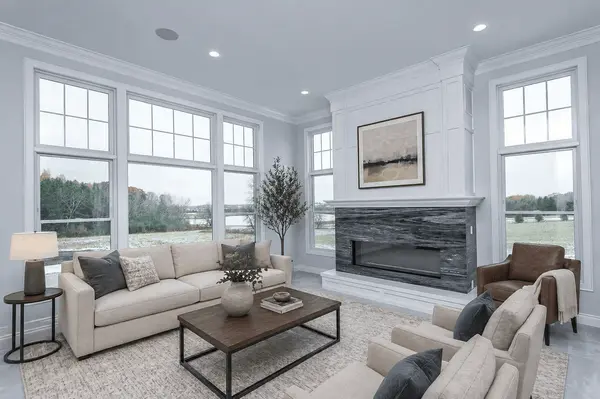
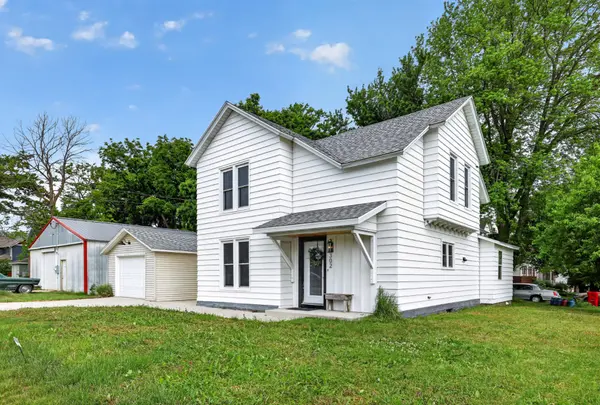
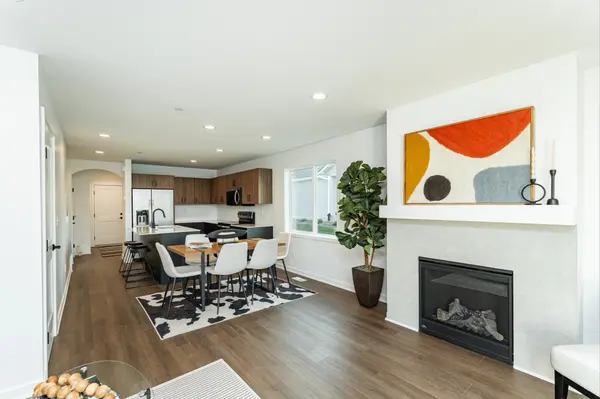
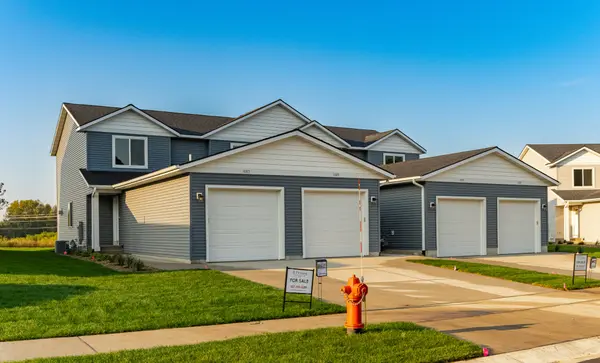
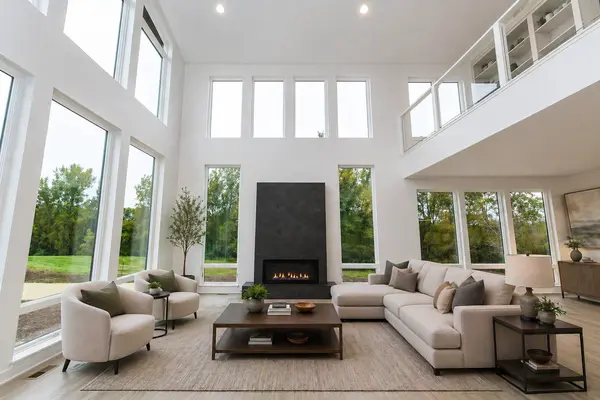
Should You Build or Buy an Existing Home in Rochester, MN?
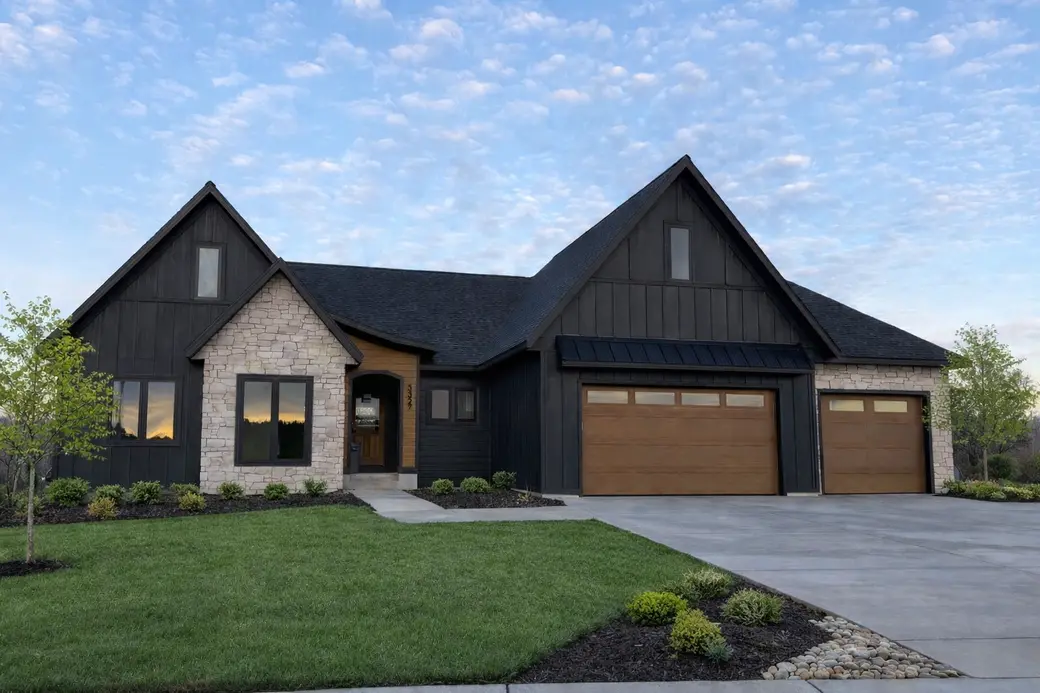
Should you build a new home or buy an existing home in Rochester, Minnesota?
Building may be the better option when you want greater control over the layout, finishes and functionality of your home and have flexibility in your timeline. Buying an existing home may be a better fit when you want to move sooner, prefer an established location or find a property that already meets most of your needs.
Neither option is automatically better. The right decision depends on your budget, timing, priorities and tolerance for projects and decisions.
Before comparing new construction with existing homes, review what to know before buying a home in Rochester, MN so you can establish your budget, priorities and purchase timeline.
Because I work in both real estate and residential construction, I help Rochester buyers compare the complete picture—not just the list price.
When Building a Home May Make Sense
New construction may be a strong option when existing homes repeatedly feel close, but not quite right.
Perhaps the homes you tour have:
- The wrong layout
- Insufficient storage
- Bedrooms in the wrong location
- No home office
- Limited garage space
- Outdated mechanical systems
- Major projects you do not want to complete
- A location that does not fit your plans
Building gives you the opportunity to think about how you actually live.
You can consider where groceries enter the home, where coats and shoes collect, whether you need a home office, how the kitchen connects to the living area, whether you want a screened porch and how the lower level may eventually be used.
Depending on the builder and stage of construction, you may also be able to select flooring, cabinets, countertops, lighting, plumbing fixtures and other finishes.
What Buyers Should Understand About Building
New construction involves more than choosing finishes.
Important decisions may include:
- Selecting a builder
- Choosing a lot
- Reviewing the floor plan
- Establishing a realistic budget
- Understanding allowances
- Deciding which upgrades matter
- Reviewing the construction timeline
- Planning for landscaping, appliances or window treatments
- Understanding what is and is not included
The advertised base price is not always the final price of the completed home. Lot premiums, structural changes, selections, site conditions and upgrades can affect the total investment.
A clear specification sheet and a detailed conversation about allowances can help prevent surprises.
When Buying an Existing Home May Make Sense
An existing home may be a better choice when timing is a priority or when you find a property that already meets your main needs.
Benefits may include:
- A potentially faster move
- The ability to see the finished home before buying
- Established landscaping
- Existing decks, patios, fences or window coverings
- More location choices
- Architectural styles not commonly offered in new construction
- Opportunities to improve the home over time
An existing home may also allow you to purchase in an area where vacant lots or new developments are limited.
Look Beyond the Initial Purchase Price
Buyers sometimes assume that an existing home will always cost less than new construction. That is not necessarily the case.
An existing property may need:
- A new roof
- Updated windows
- Heating or cooling equipment
- Plumbing or electrical work
- New flooring
- Kitchen or bathroom updates
- Exterior improvements
- Drainage or grading corrections
New construction may have a higher upfront price but fewer immediate repairs. However, a new home may still require spending on landscaping, fencing, blinds, appliances or lower-level finishing.
A fair comparison should include both the purchase price and the likely costs during the first several years of ownership.
Consider Your Timeline
Existing homes are generally better suited to buyers who need to move within a shorter or more predictable period.
Construction timelines vary based on the home, builder, permitting, selections, labor, materials, weather and site conditions. Buyers who build should be prepared for decisions throughout the process and some flexibility in the schedule.
Move-in-ready new construction can provide a middle option. You receive many of the benefits of a newly built home without waiting through the entire construction process.
Consider How Involved You Want to Be
Some buyers enjoy selecting every detail. Others find repeated choices stressful.
Building may involve decisions about:
- Cabinet styles
- Countertops
- Flooring
- Paint
- Lighting
- Plumbing fixtures
- Exterior materials
- Hardware
- Appliances
- Landscaping
There is no right answer. Be honest about how much involvement you want and how comfortable you are making decisions within a budget.
Frequently Asked Questions About Building or Buying
Is new construction always more expensive?
Not always. Compare the completed cost of the new home with the purchase price and expected updates of an existing home. The right comparison depends on what is included and what each property will require after closing.
Can I use my own REALTOR® when working with a builder?
Yes. A REALTOR® familiar with construction can help you compare options, ask questions, review what is included and keep track of important decisions. It is best to involve your agent before beginning serious discussions or registering with a builder.
A local Rochester REALTOR® with construction experience can help you compare specifications, allowances, upgrade costs, timelines and the condition of existing homes.
Is a home inspection necessary for new construction?
New does not mean every component is automatically perfect. Buyers can discuss inspection options with their agent and inspector, including inspections at appropriate stages of construction or before closing.
What is the easiest new-construction option?
A completed or nearly completed spec home usually requires fewer decisions and may offer a more predictable move-in timeline than starting with a vacant lot and custom plan.
Start by Comparing Your Real Options
The best way to decide whether to build or buy is to compare actual available homes, lots, builders, estimated costs and timelines.
You may discover that an existing home meets your needs with only minor changes. You may also realize that building solves problems you would otherwise continue compromising on.
Homeowners considering a move may also want to review how to know when it is time to buy your next home in Rochester.
As a Rochester REALTOR® with lifelong exposure to residential construction, I can help you evaluate both paths and understand the questions to ask before making a commitment.
About the author: Niki Fleming is a REALTOR® with Engel & Völkers Rochester and works closely with residential new construction through her family’s Rochester-area construction business. She helps buyers compare existing homes, move-in-ready new construction and building opportunities throughout Rochester and Southeast Minnesota.
Niki Fleming, REALTOR®
Engel & Völkers Rochester
507-250-1831
[email protected]
nikifleming.evrealestate.com
Categories
Recent Posts